Published Story
Basilica Cistern
The Basilica Cistern Museum, is one of the most important cultural assets where we can trace the traces of glorious Istanbul history. This grand underground cistern was commissioned by the Eastern Roman Emperor Justin...
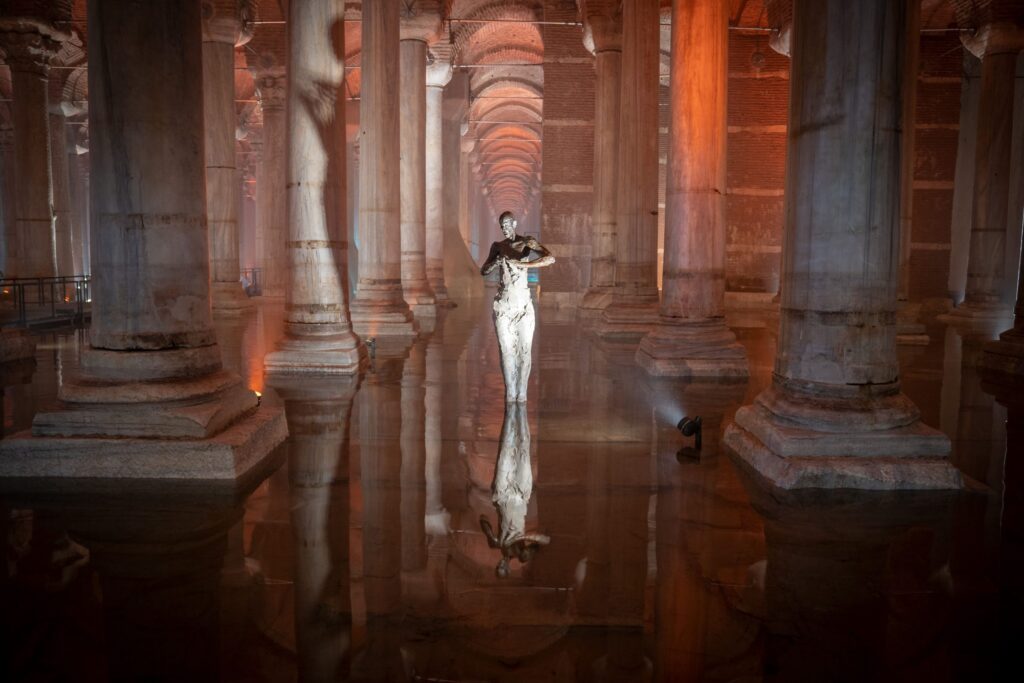
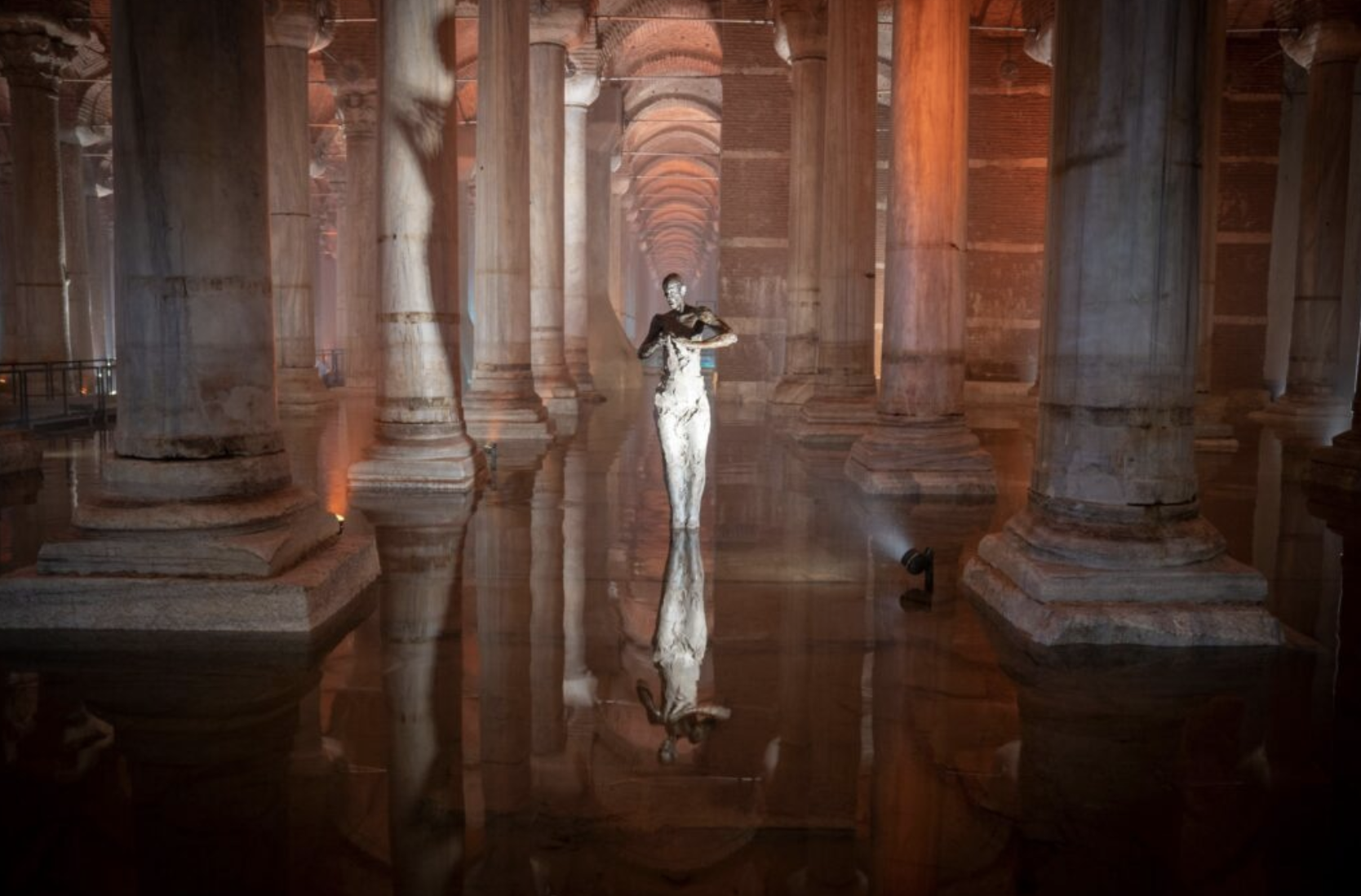
The Basilica Cistern Museum, is one of the most important cultural assets where we can trace the traces of glorious Istanbul history. This grand underground cistern was commissioned by the Eastern Roman Emperor Justinian I (527-565) and is known as the "Basilica Cistern" in Latin or the "Yerebatan Sarayı" (Sunken Palace) in Turkish due to the numerous marble columns rising from the water. The location of the structure was previously occupied by the Stoa Basilica, hence it is sometimes referred to as the "Basilica Cistern."
With a capacity to store 80,000 tons of water, the Basilica Cistern is the largest covered cistern in the city and stands out with more reclaimed columns compared to other covered cisterns. It covers an area of approximately 10,000 square meters and has a rectangular shape with a length of 140 meters and a width of 70 meters.
According to written sources, the water obtained from aqueducts and rain was distributed to the Great Palace and the surrounding buildings where the emperors resided, thus meeting the city's water needs for hundreds of years. The Basilica Cistern was also supplied with water from one of the historical aqueducts, the Hadrian's Aqueduct. Inside the cistern, there are 336 columns, each of which is 9 meters high https://kultur.istanbul/yerebatan-sarnici-muzesi/.