Published Story
A Century of Journalistic Excellence
Image Source -- Falastin's editors and journalists in Jaffa. Founders Issa and Yousef El Issa sitting in the front row. , 1913. Image Source -- Masthead of Falastin Newspaper, 18 June 1936 Falastin Newspaper Falastin...


Falastin Newspaper
Falastin was among a handful of newspapers to emerge from the region following the 1908 Young Turk Revolution in the Ottoman Empire which lifted press censorship. The newspaper was initially focused on the Christian Orthodox Renaissance, a movement that aimed to weaken the Greek clerical hegemony over the Greek Orthodox Patriarch of Jerusalem because all the vast financial resources in Palestine were under Greek control (and still are to this day). Falastin addressed the issues of Palestinian modernization, reforms, and improving the welfare of the land’s peasants, connected its readers to the region and the world, and built bridges between classes, religions, and geographies. Falastin aimed at empowering its readers as active and thinking individuals taking their destinies into their hands. Falastin helped shape Palestinian identity.
Palestine used a printing machine already in 1830. The media in Palestine emerged in 1876 with the first newspaper. From 1908 until WWI there were thirty-six Palestinian newspapers. Between 1919 and 1948, there were 241 newspapers. The same period witnessed the beginning of Palestinian radio broadcasting. The Near East Broadcasting Station was airing from Jaffa 1941/42. The station began under the name Freedom Broadcasting Station, using British Royal Air Force equipment in Jaffa. The identity of the station's owner and operator was an official secret. Officially, Britain had nothing to do with the Near East Broadcasting Station. Britain only acknowledged responsibility for the BBC as late as 16 June 1948, in response to a Parliamentary Question, Foreign Secretary Ernest Bevin denied that the station was run by the British Foreign Office Information Department, claiming instead that it was "operated by a group of people connected with the Arabs". Just before the British left Palestine, in early May 1948, the station was moved to Cyprus.
Issa El Issa

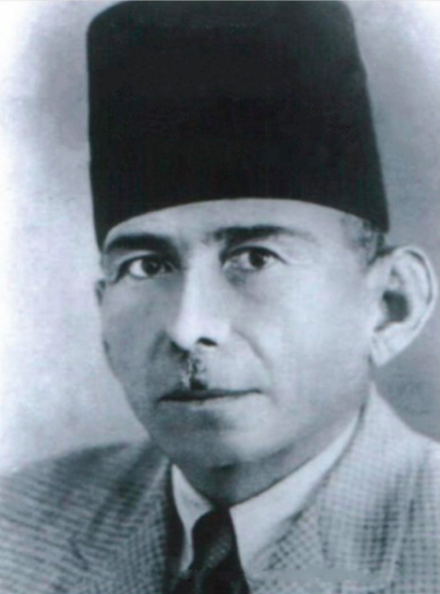
Issa El Issa is one of the most prominent Palestinian journalists of the twentieth century. The history of the founder of Falastin, Issa El Issa, reads as one of a statesman. With multiple exiles, an extreme amount of international congresses dealing with issues with the fate of his country. He was active and vocal resistance first of the Ottoman Empire, followed by the resistance to British occupation and rule. All the while with active resistance to the planned Zionist takeover of Palestine. Issa El Issa was an intellectual and determined Palestinian who was also open-minded, promoting new thinking, culture, equality, and independent thinking and all these issues needed an independent Palestine.

Issa El Issa was born in Jaffa in 1878. Issa’s family had made its fortune with the old and traditional Palestinian businesses in olive oil and olive oil soap. Issa went to school at Collège des Frères in Jaffa and then continued schooling in Lebanon. Issa graduated from the American University of Beirut where he studied English, Turkish, and French in addition to his mother tongue, Arabic.
In 1897, when Issa was 19 years old and at university, he issued a weekly publication printed on gelatin and called al-Nukhab. In 1901, he worked at the Persian Consulate in Jerusalem and acted as a translator at the Coptic Monastery in 1902. In 1903 he traveled to Cairo and was a reporter for the Egyptian al-Ikhlas newspaper. After that, he worked as an accountant at the offices of the Sudani Government in Cairo and then as an inspector with an American tobacco company. In early 1910, Issa returned to Jaffa and worked for a short time at the Ottoman Bank. After this diverse international career experience, Issa founded the newspaper Falastin with his cousin Youssef El Issa. Falastin’s first issue saw the light on January 15th, 1911 in Jaffa. Falastin began as a twice-weekly publication and in the beginning, it was focused on the Christian Orthodox community, to which El Issas belonged. Soon, it grew into a proper national paper and became the most informative and reliable press source in Palestine. Falastin was also a source of independent new thinking, supporting the arts, culture, and national Palestinian autonomy.
Issa was a supporter of the Ottoman Decentralization Party and was part of the Arab Club which promoted Palestinian autonomy. In June 1913, Issa, with other people, sent a message of support and solidarity to the "First Palestinian Conference" (also called The First Arab Conference) held in Paris, demanding more autonomy. This historic period is known for a new consciousness and known as Al Nahda, (Renaissance in Arabic). Al Nahda was a strong cultural, social, and political movement in the Shaam (Levant) region which includes Palestine, Lebanon, and Syria. Falastin was part of that new thinking. Intellectual, political, philosophical, social, class, gender, cultural, and questions of identity, all experienced new awareness. Gibran Khalil Gibran, (though was living in the United States), was a key figure in the movement and supported these conferences aiming at an independent Al Shaam region.
In October 1913, the Ottoman authorities closed down Issa El Issa’s Falastin newspaper. Six months later, in April 1914, Issa sought refuge in Egypt and attempted to publish articles in Egyptian newspapers warning against the Zionist project. On the eve of the outbreak of World War I, Issa returned to Palestine and his newspaper, Falastin, called on the Ottoman government to remain neutral. El Issa unnerved the Ottoman government, which banned Falastin in 1915. Issa was tried in Damascus and sentenced to 300 days in prison. Upon appeal, the sentence was commuted to a penalty of fifty Ottoman gold liras (about 20,000 €). At the end of 1916, the Ottoman authorities exiled Issa and his cousin Youssef (the co-editors of Falastin) to Anatolia. Issa was active in exile. He was among Palestinian figures who signed a statement on 12 December 1918 addressed to the Paris Peace Conference and the British Foreign Office, protesting the Zionist movement's attempt to turn Palestine into a Jewish land. During his exile and World War I, El-Issa moved to Damascus and became Chief of the Royal Court for King Faisal's government, of The Arab Kingdom of Syria. The French attacked the newly formed The Arab Kingdom of Syria, and it fell on July 1920 after it had functioned for only five months. Issa and his cousin started again, and this time founded a newspaper in Damascus called Alif Baa.
Issa El Issa was told by British Colonel Stirling: “You don’t know that your exile from Palestine was due to your campaigns against Zionism and that it was the Zionists who opposed your return, so do not do anything which could damage your situation.” (Source: Issa El Issa’s memoir)
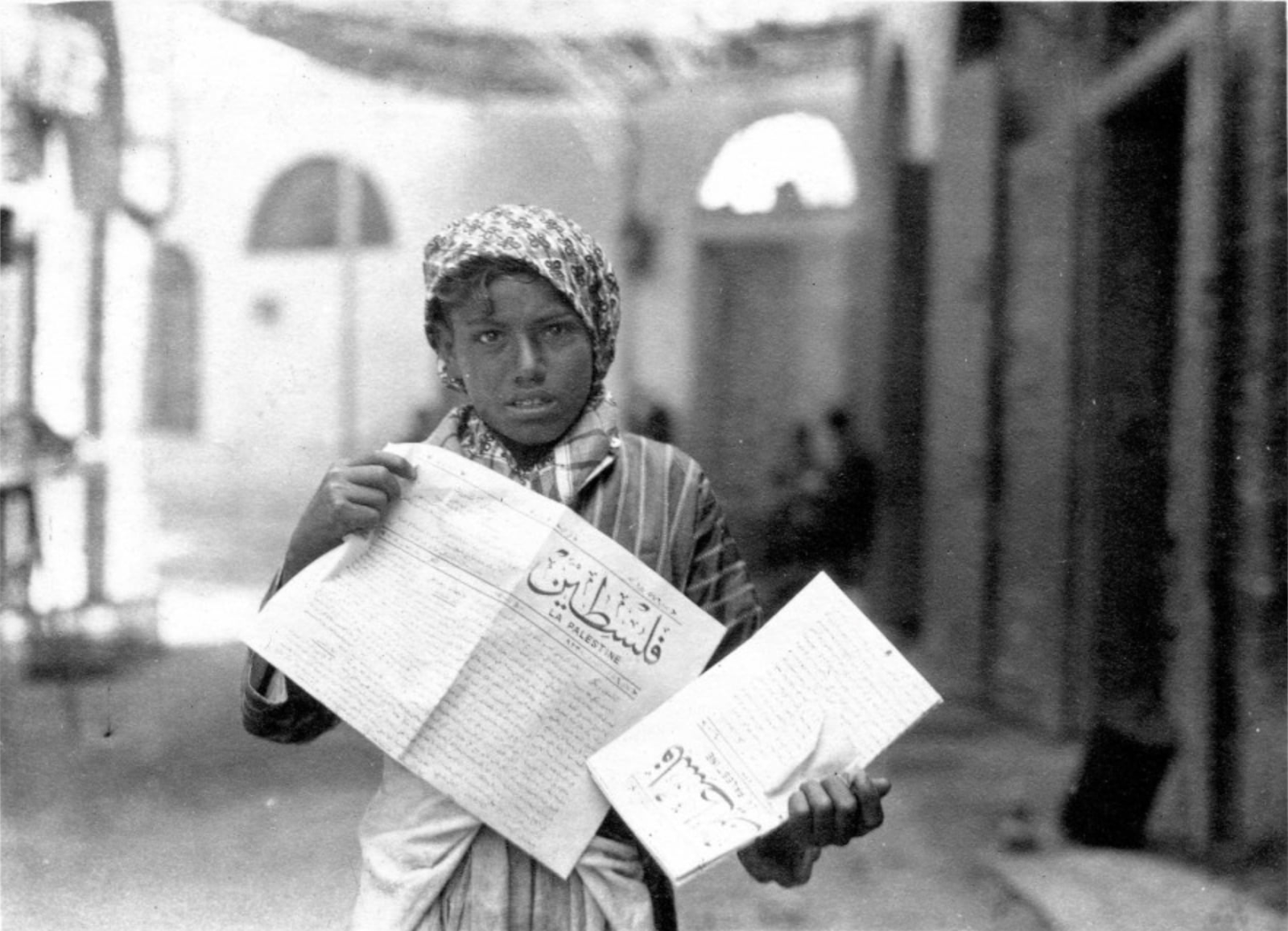
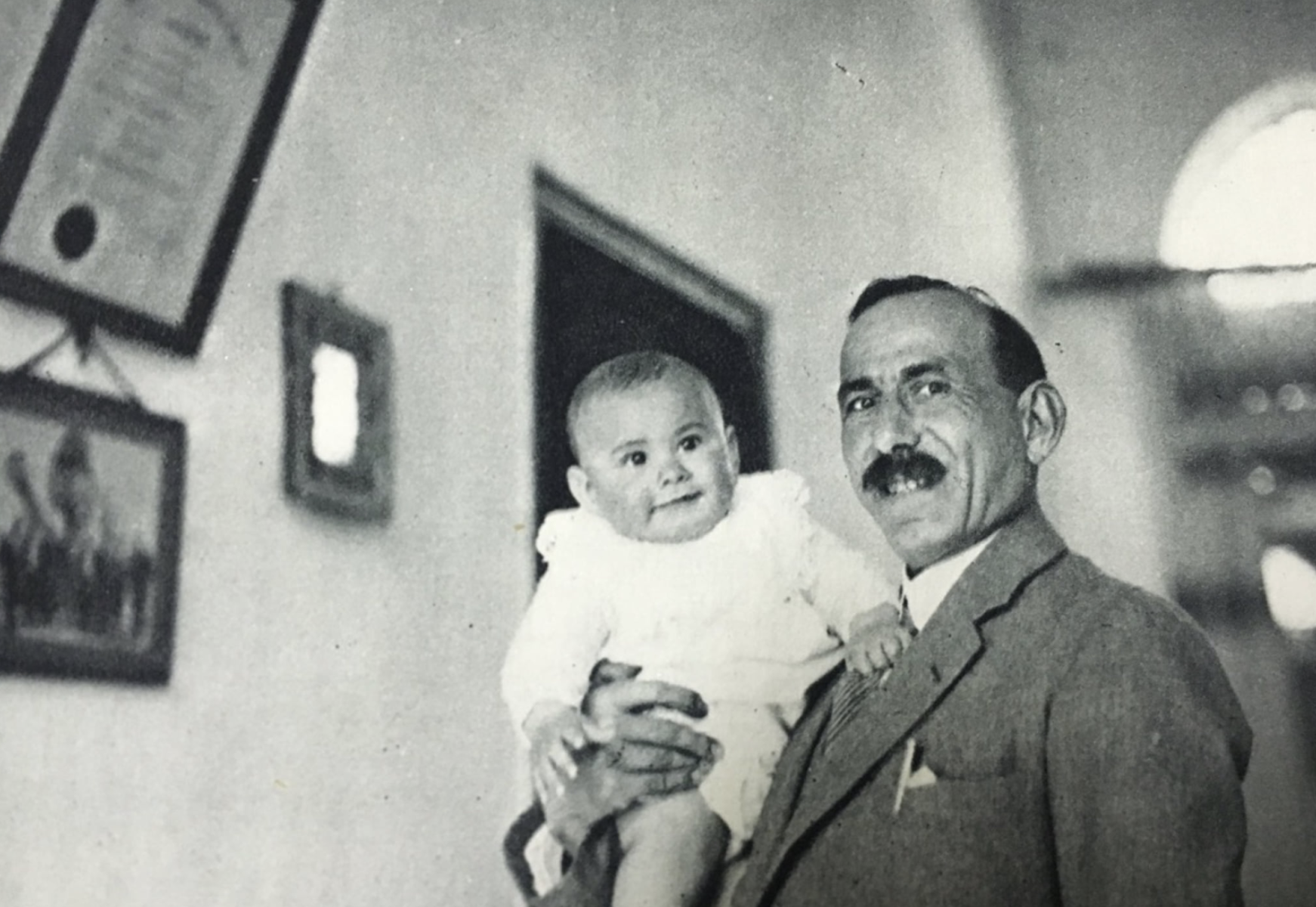
El Issa returned to Jaffa at the beginning of 1921 and reissued Falastin in March as a thrice-weekly publication. (It turned into a daily in 1930). Issa soon co-founded the Muslim-Christian Association in Jaffa, whose aim was to oppose the disappearance of Palestine. Soon in 1922, at the age of 42 years, Issa married a Jaffan Zahia Malak. In August 1922, he attended the sessions of the Fifth Palestine National Congress and on 14 October the same year, Malak and Issa’s first child, son Raja was born. Issa had two sons Raja and Saad and two daughters, Laila and Malak.
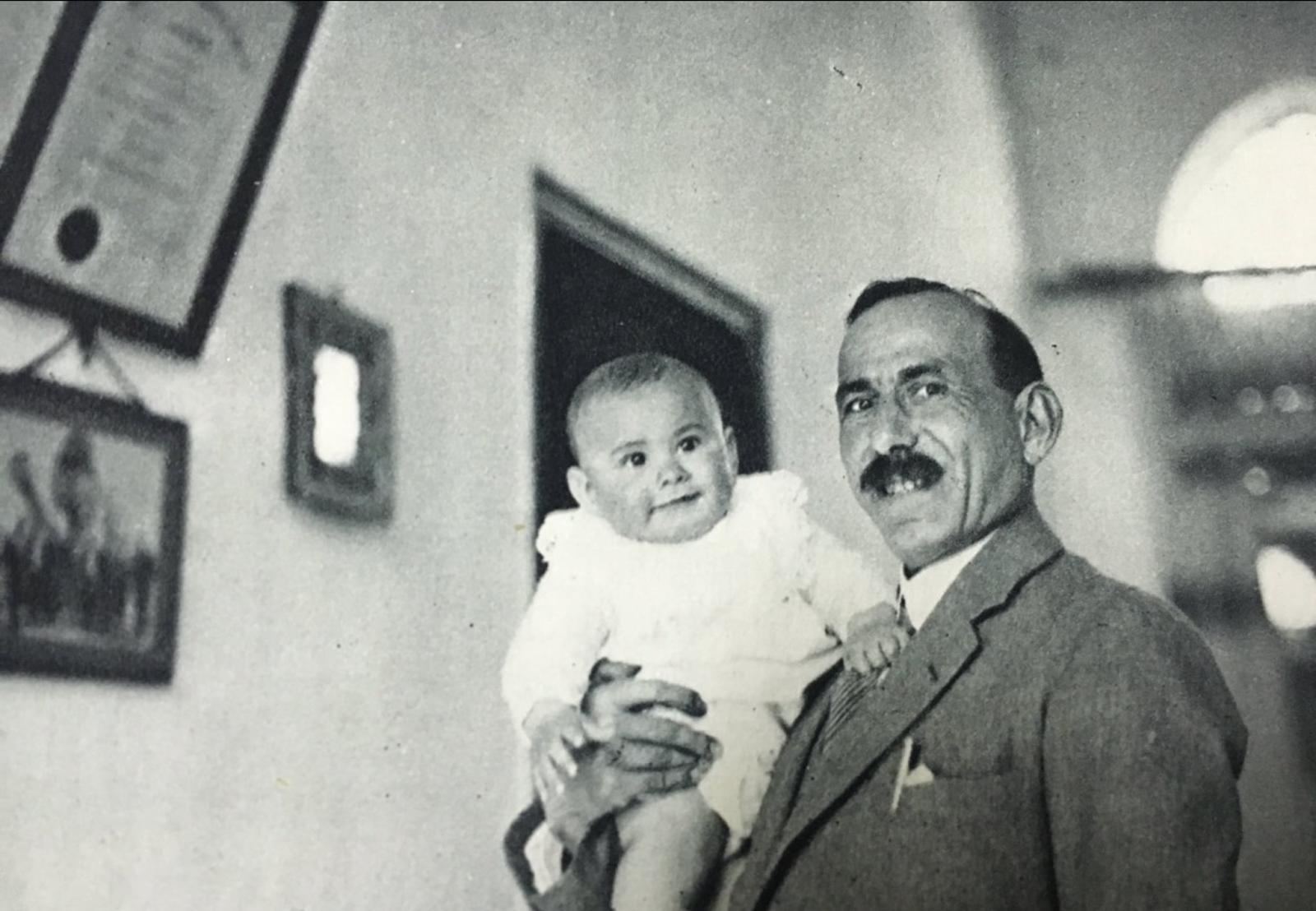
In 1927, El Issa was a founder of the Palestine Free Party in Jaffa which aimed to “attain complete independence and the fulfillment of national aspirations and sovereignty.” In June 1928, El Issa was elected to the 7th Congress of the Arab Executive Committee (AEC) as a representative of Jaffa. In September 1932, he was selected to join the higher committee of the Nation's Fund. He was also an elected member of the central committee of the National Defense Party.
During the Revolution in August 1936, there was an assassination attempt on Issa El Issa, but that attempt failed. Issa was never deterred and took part in the Arab National Congress held in Bludan in 1937, which rejected the partition of Palestine between its indigenous Palestinian and the Zionist newcomers. There was never an issue with Palestinian Jews with Issa El Issa or his paper Falastin.
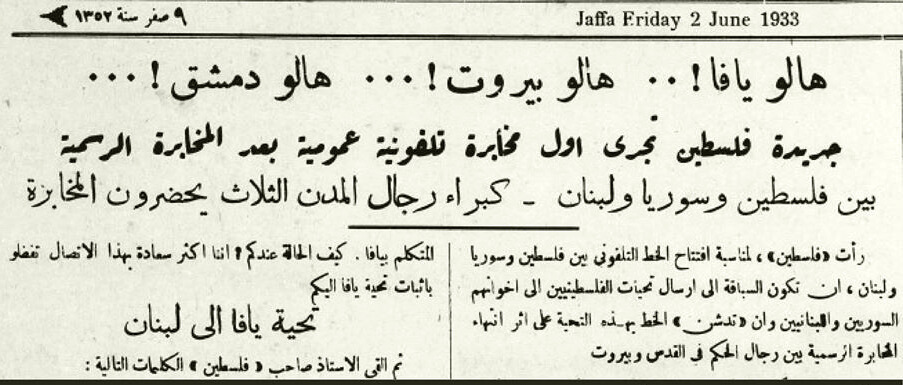
“The notable men of the three cities are on call” The first public telephone in Jaffa, the first phone call was made to Beirut and Damascus on June 2nd, 1933 made by Falastin newspaper’s editor-in-chief. Naturally, the first calls were made to connect to the Shaam – to Lebanon and Syria.
Falastin continued to appear in Jaffa until 7 April 1948, 18 days before the city fell to the Zionist forces on April 26, 1948
"Falastin was published in Jaffa from 1911 until April 1948. In 1948 All newspapers stopped in one day. After we closed, they started firing mine launchers at Jaffa city very intensively. The sea was filled with boats…The people of Jaffa left homes, interests, and jobs. They are all gone... they are all gone... there was no one left.” (Source: Issa El Issa’s memoir)
All of Falastins printing equipment, storage, old issues and collections, drafts, and all of its material possessions were left as they are. Issa’s house, the printing house, Falastin’s headquarters and offices, the archives, the schools of his children, the banks, and bank accounts were left as they are. All the journalists and workers ended up refugees in different parts of the region. Everything was looted. Issa and his family became refugees. Two years after the erasure of his city, on 29 June 1950, Issa El Issa died in Beirut. Falastin was reestablished in Jerusalem (which was then under Jordanian rule) by Issa’s son Raja. The newspaper continued until 1967 when Jerusalem came under Israeli rule and Falastin was merged with Al-Manar newspaper, together they produced a new newspaper called Ad Dustour which saw daylight in Amman. Ad Dustour is still published to this day, as a Jordanian newspaper.

Newspapers in Jaffa
Filasteen/ Falasteen
Al-Salam
Al- Jazeera
Sawt El Haq
al-Jamia' al-Islamyyah
Ad Difaa’
Haqiqat al-'Amr
Al-Jihad
Ash Sha’b
Magazines in Jaffa
al-'Asma'i
al-Haqq
al-Nashra al-Tijaryyeh
al-Tahreer