Published Story
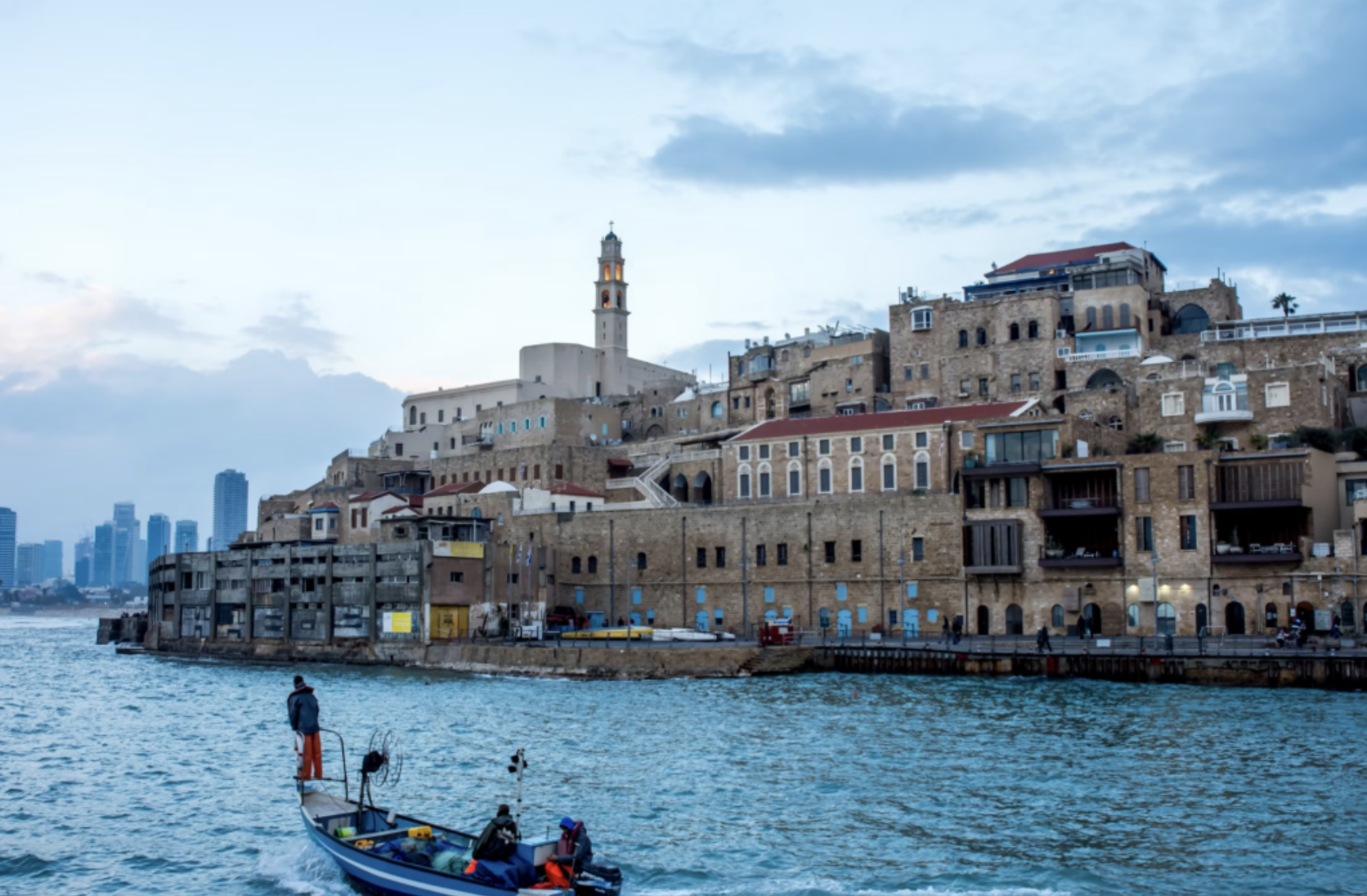
Jaffa, Bride of "The Sea"
Image Source Image Source: Scholten Harbor towns are open to the rest of the world by the sea. This gives the city a feeling of openness and power. No wonder Venice and Amsterdam were city-states. Mediterranean port c...
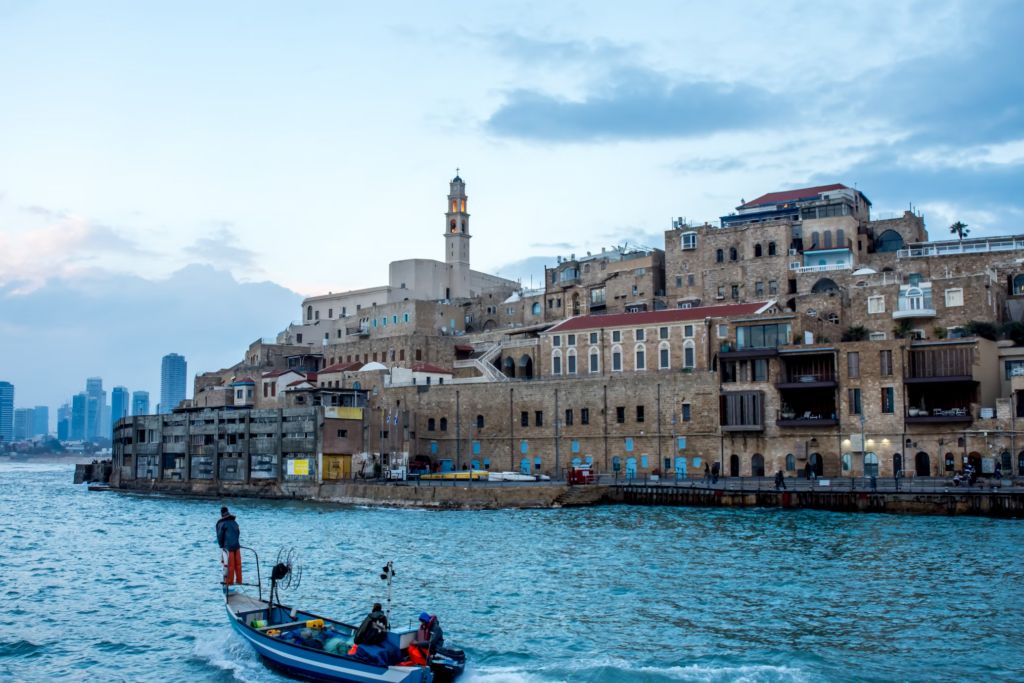
Harbor towns are open to the rest of the world by the sea. This gives the city a feeling of openness and power. No wonder Venice and Amsterdam were city-states. Mediterranean port cities were connected with each other, in some ways more so than with their inland folks with whom they shared a language and history. Being an ancient Mediterranean port city, Jaffa was a center of independent thinking that did not bow down to occupiers. Jaffa’s archeology goes back to the late stone age. Later, when it was the primary port of Canaan, the Jaffans’ resistance to the Egyptians and Pharaoh occupiers was fierce, we know that from archeology.
Jaffa’s archaeology goes back to the late stone age and it was inhabited from the Bronze Age until 1948. The city is lush, lying near two rivers and multiple water sources. It was built on a 40m high hill where the wind from the west and the sea is its air conditioner. Jaffa was also one of the endpoints of the Silk Road from the far east, and the place for Europeans to get acquainted with, and purchase spices, silks, glass, soap, recipes, ideas, and religions.
The sea produces fishermen and sailors, a rough demanding life under a strong sun. But it offers freedom since the fish in the sea are not owned by any rich lord. Having a natural port on top of that adds a new layer of trade. Jaffa knew oil and wine exports since ancient times. Export, import, and trade connect the city regionally and internationally producing a cosmopolitan culture. With its closest neighbors in the Shaam (Levant) region (Shaam consists of Palestine, Lebanon, and Syria) Jaffa had strong shared businesses, intermarriage, music, cuisine, culture, and history. In addition, many Jaffans had Greek, Syrian, Afghani, Sicilian, French, and Egyptian surnames, reflecting their interconnectivity and intermarriages. When your country happens to be also the scene of miracles related to major religions, you get waves of pilgrims. Europe started arriving intensely at Jaffa’s port, sleeping in its rooms, renting its donkeys, eating in its taverns, and paying its guides and translators. Most arrived by crossing the Mediterranean. Venice, for example, had special ties with Jaffa, as it had a lucrative business of ‘all-inclusive’ pilgrimage trips. Jaffa has seen Europe’s poor, sick, sinful, monks, nuns, priests, knights, merchants, lords, princes, princesses, kings, and queens from all over the continent. Naturally, it was called ‘Port of Jerusalem’ and ‘Mother of Strangers’.
Palestine had a long stream of conquerors including the Egyptians, Assyrians, Babylonians, Persians, Greeks, Romans, Muslims, Crusaders, Mamluks, Ottomans, and the British, and they all entered Jaffa. Jaffa prospered as the capital of Palestine during the Islamic period – the Golden Age in Palestine. However, in June 1100 AD, Venice betrayed Jaffa, the Doge himself, accompanied by 200 ships and about 9000 Venetians, arrived in Jaffa to support the Crusader’s takeover. The Crusaders sought religious purity and achieved that in a very bloody manner. Although most Palestinians at that time were Christians, to the Crusaders, indigenous Palestinians, regardless of religion, were unwanted. Venice got the right to build a church and a marketplace in every city that the Crusaders conquered. Jaffa was a port colony and an important center for trade. The Crusaders were defeated by Saladin in the Battle of Jaffa in 1192 (after they were defeated earlier in north Palestine). In 1799, after sieging Jaffa for 3 days, Napoleon massacred about 4000 people– all Arabs, children, and adults. Jaffans have learned to look out for anything arriving from the West.
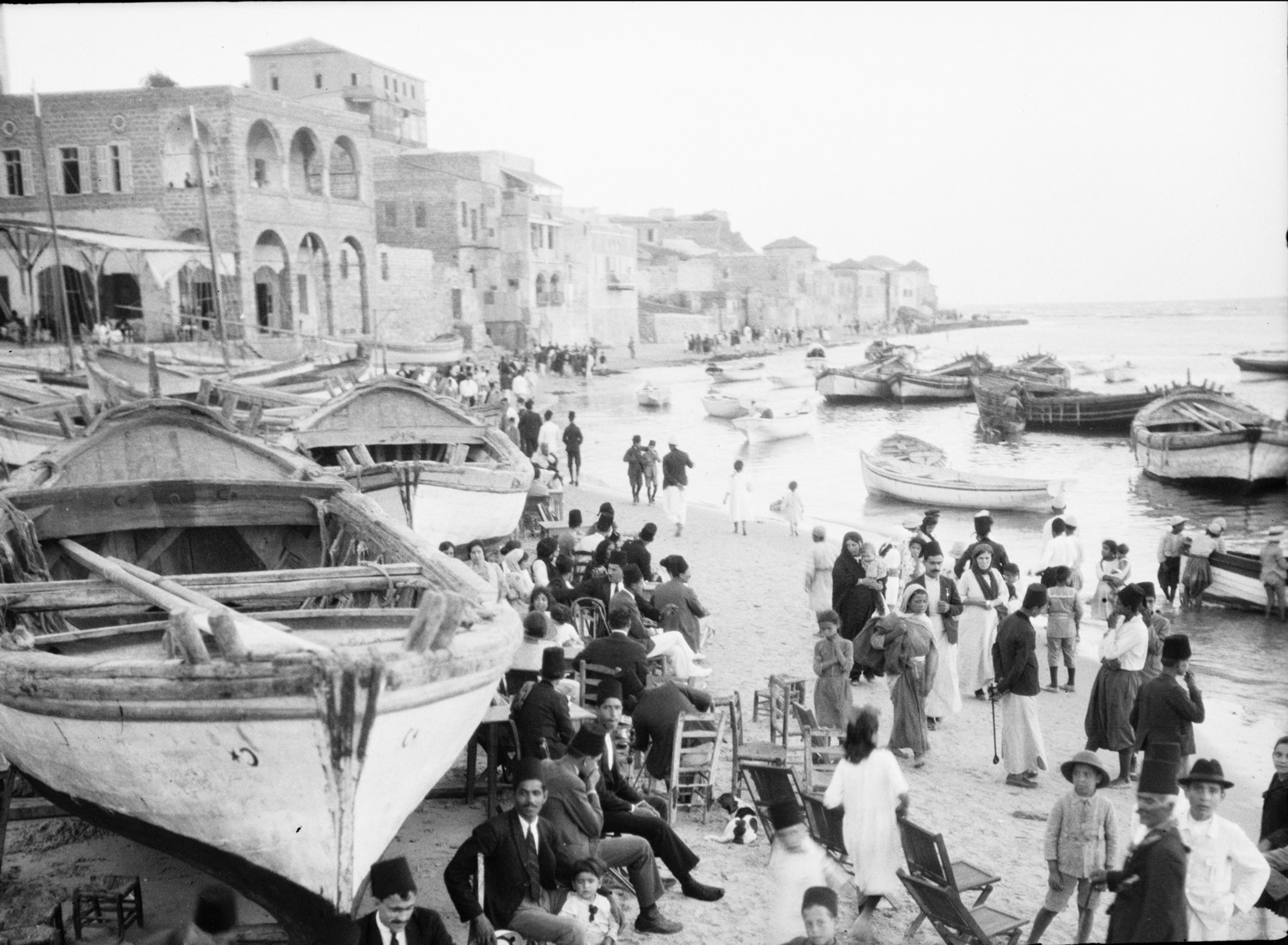
The change that hit Jaffa suddenly, was something very unexpected, it was the development of a type of orange with thick skin. No one understood how that thick-skinned Jaffan would change the city’s history. But that orange needed Jaffa’s harbor to make money, and that harbor was soon overfilled with tens of thousands of workers from all over the region. It was common to see 45 ships in the harbor with hundreds of boats waiting to be loaded. In 1935, Jaffa’s port saw 402,525 tons of goods imported and 171,819 tons exported through the port. Between 1944-45, there were 1,056 tons of fish which were worth 292,570 British pounds at that time. Until around this time, there was the sea, and there was a shore to arrive to and leave from, but now a new concept and an accompanying lifestyle were developed and it is the beach. The beach became a place in itself and Jaffa which was a gate and entrance to the land, became more of a destination itself. Jaffa had its Sailor’s Union, but big changes happened fast and brought new dynamics.
‘Bride Of The Sea’ as Jaffa is called, became a cosmopolitan modern city and the cohesion between its Christian and Muslim population could be seen on all levels of life. In the 1930s-40s, Jaffa was the most advanced city in Palestine in the development of its commercial, banking, fishing, and agriculture industries. The port city had a cigarette, cement, colored floor tile and roof tile production, iron casting, cotton processing plants, traditional handmade carpets, leather products, wood box industry for Jaffa orange, textile, presses, publications, and soft drink factories. In the 1940s, the district of Jaffa included 23 villages within its municipality, two German colonies (Sarounah and Weil Helma), and five Jewish colonies: Tel Aviv, Mlabess which was turned into Petach Tiqva, Cholon, Tel Luftinski, and Bat Yam. When it came to intellect, Jaffa was the center for culture, literature, media, and publishing in Palestine. The majority of all publications and newspapers in Palestine were printed and published in Jaffa. This went with cafés and restaurants to read these papers and discuss new ideas.
In the 19th century, Jaffa became an important center demanding Palestinian autonomy and was a core for resistance. In 1834, The Peasant Revolt was suppressed by the Egyptian ruler Muhammad Ali Basha. The administrator of Jaffa and his son were beheaded. Jaffa's urban notables fled to Cyprus where some of them were executed with other headmen from the Jaffa area. This revolt reduced the male population of Palestine by about one-fifth. In 1916, Jaffa was again at the core of the Arab Revolt against the Ottoman Empire. It didn’t take long for the occupiers to change once more, and the Jaffans revolted against the British in 1936. The British blew up 240 buildings, a significant chunk of the old city, to punish the Jaffans. This collective and architectural urban punishment left a strong mark on the city. Yet, about eleven years later, Jaffa was still a city with 17 cinemas, 14 public hammams (bath houses), 13 mosques, 6 churches, 5 hospitals, 18 schools, 15 headquarters of newspapers and magazines and their publishers and selling points, and printing houses, 7 big markets, theaters, banks, railway station, ships, boats, busses, trains, cars, storages and miles and miles of orange orchards. No one would give all this history, hard work, and abundance away. Jaffans resisted being replaced by Zionists. But in 1948 on May 13, Jaffa fell and 97% of its inhabitants were ethnically cleansed. Jaffa and Jaffans have been separated. In addition to being physically separated, they have been separated in history and narratives. This project is one of the bridges between the two.
