Ma Bronze Age Boat Project
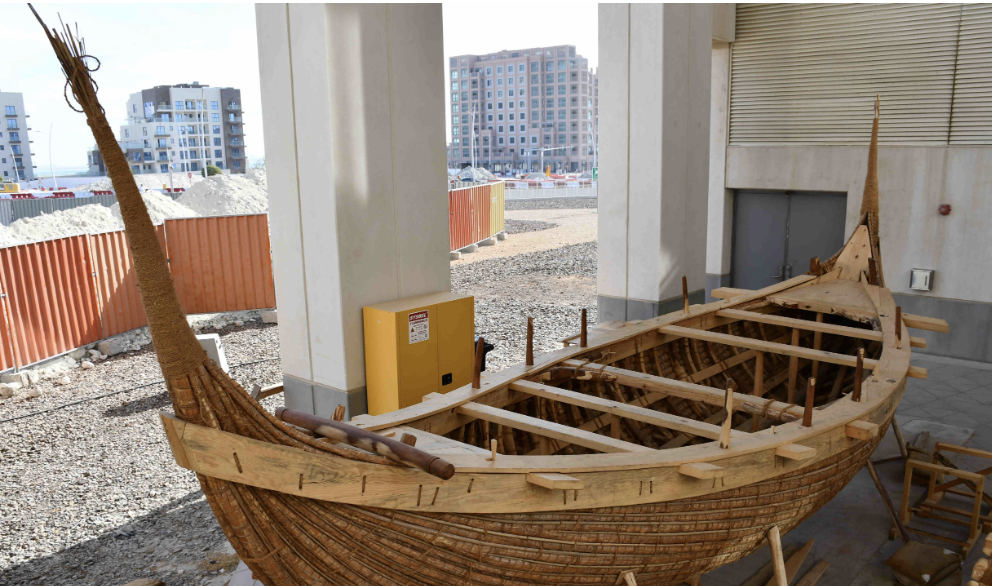
Explore Ma I in 3D The Bronze Age Boat project was inspired by Umm an-Nar, the 4000-year-old archaeological site found near the Abu Dhabi airport linked with the early Arabian shipping routes. The middle-east has, thr...
transoceanic
Indian Ocean and Arabian Sea

Story Archive
Experimental archaeology, maritime heritage, and reconstructed vessel histories traced across connected waters.
Showing 42 of 42 stories

Explore Ma I in 3D The Bronze Age Boat project was inspired by Umm an-Nar, the 4000-year-old archaeological site found near the Abu Dhabi airport linked with the early Arabian shipping routes. The middle-east has, thr...

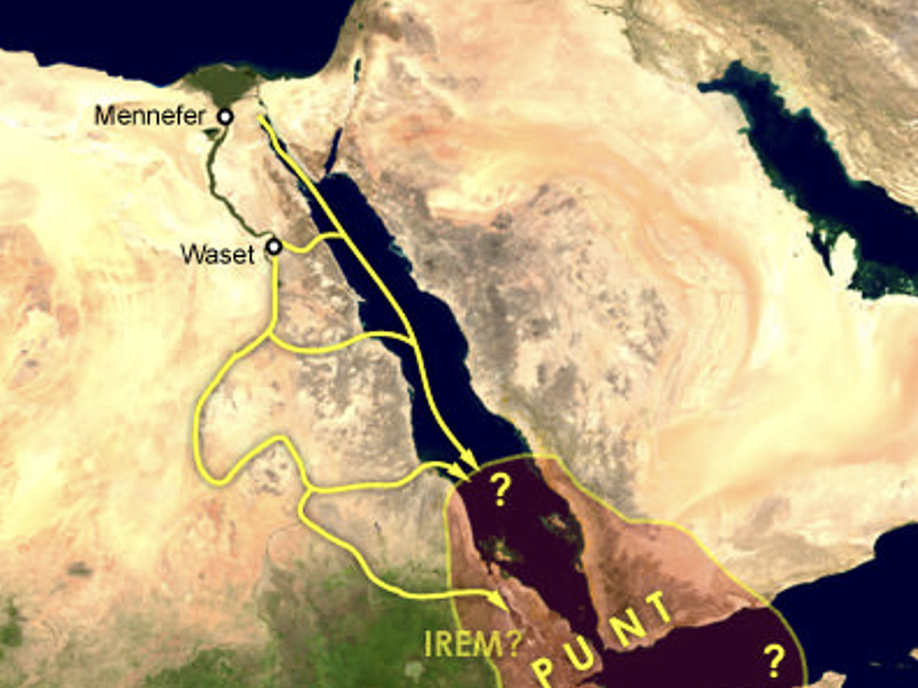
Evidence of trade between the Red Sea and Nile Valley through Pharonic voyages 2600-1150 BCE. Burial sites in Egypt include cowrie shells, mytth, incense and ebony from Punt (Alpers 2024 pp.23-24). This trade system i...

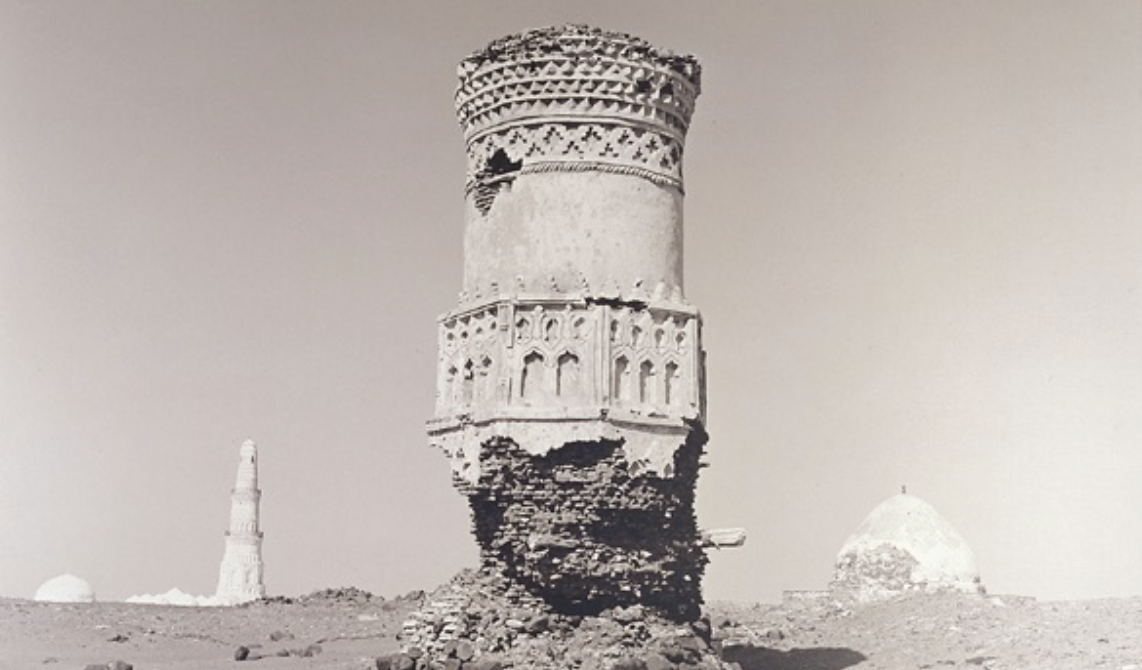
The ancient port of Muza was described in the "Periplus of the Erythraen Sea" (Alpers 2014 p.19). It had trade connections with Barygaza by 1st Century CE and also traded with the African coast and Broach or Bharuch (...

Greek sailors known as Yavanas sailed as far east as Sri Lanka in the time of the Ptolomy rulers (305 - 30 BCE) (Alpers 2014 p.28)

In the 1st century BCE, Hippalus, a Greek navigator, "identified how the Southwest Monsoon operated". This allowed ships leaving the Red Sea and entering the Gulf "to sail directly to India" (Alpers 2014 p. 28)

Harappa was an early Indus valley civilization around 2600 - 1900 BCE. Harappa was known as known as Meluhha by Akkadians. The location and extend of Meluhha and the Harappan civilization are unclear. In the early fir...
Lothal archaeological site, excavated from 1955–1960, includes the historic ruins of an Indus valley civilization dating to 3700 BCE. It was Harappa port town and center of trade between Harappa/Indus Valley and the G...
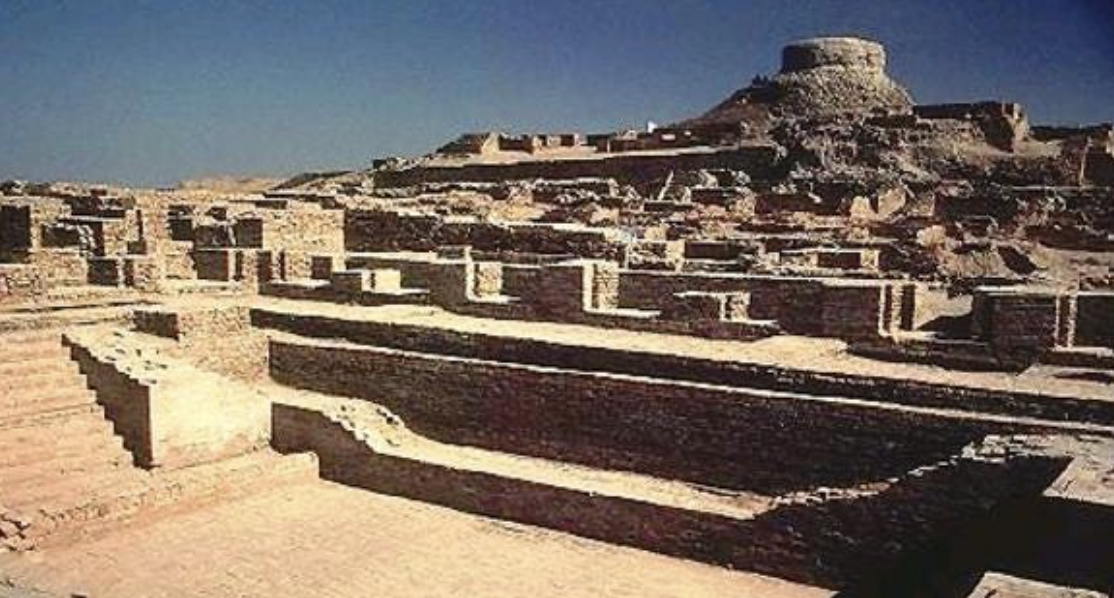
Built around 2500 BCE, it was the largest settlement of the ancient Indus Valley Civilization and and one of the world's earliest major cities. Mohenjo-daro was abandoned in the 19th century BCE as the Indus Valley Ci...

Sokta Koh was a trading port linking Harappa and Indus Valley to Gulf, Arabia Peninsula and African coast.

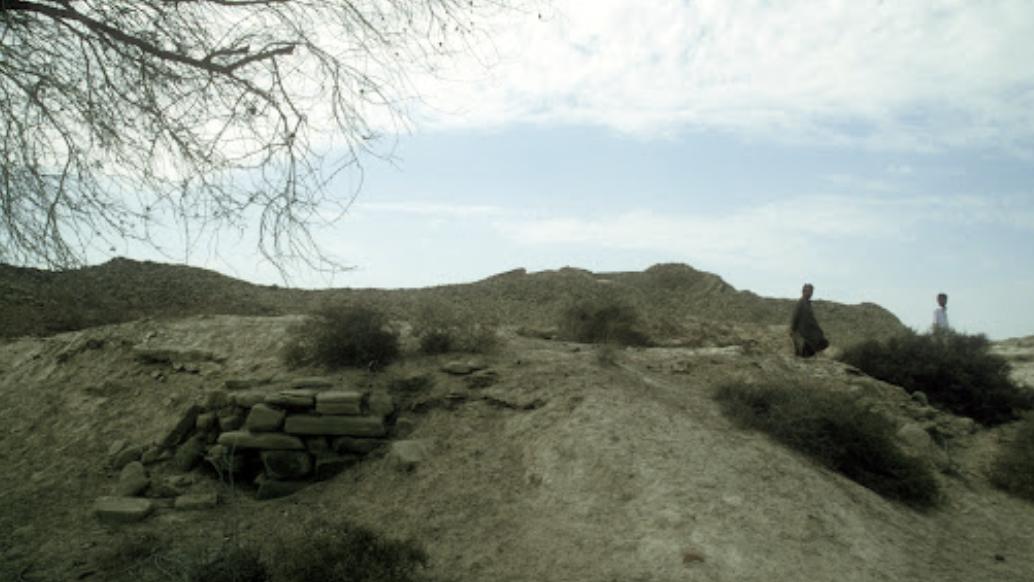
Sutkagan Dor (or Sutkagen Dor) is the westernmost known archaeological site of the Indus Valley Civilization. It is located about 480 km west of Karachi on the Makran coast near Gwadar, close to the Iranian border, in...
Multiple archaeological finds originating from Harappa (20% of finds - Alpers 2014 p.23) Broomcorn millet, a grain of Chinese origin reached the Arabian Penisula, probably by sea, as early as 2000 - 15000 BCE (Alpers...

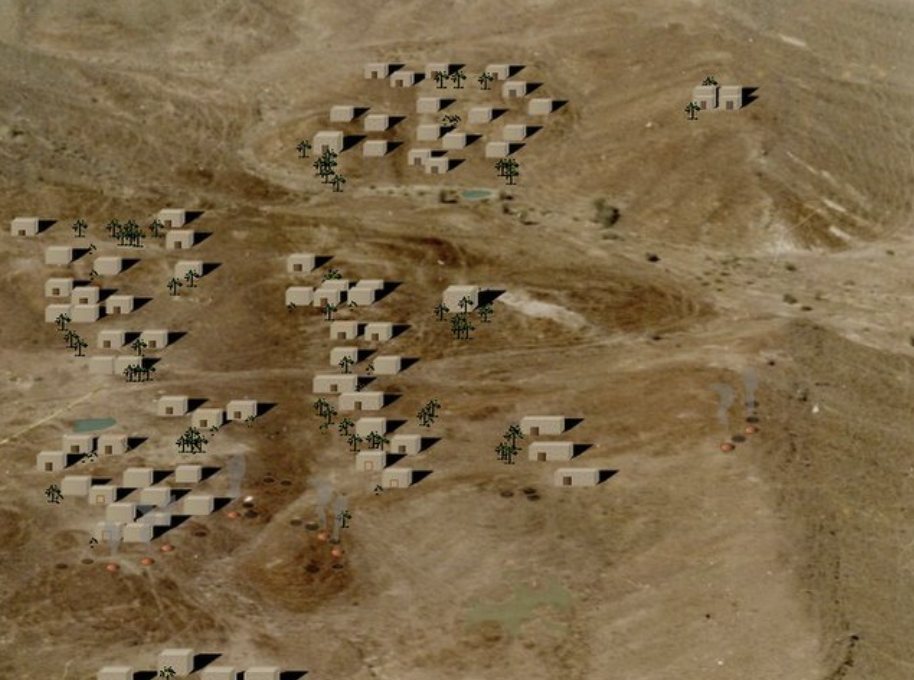
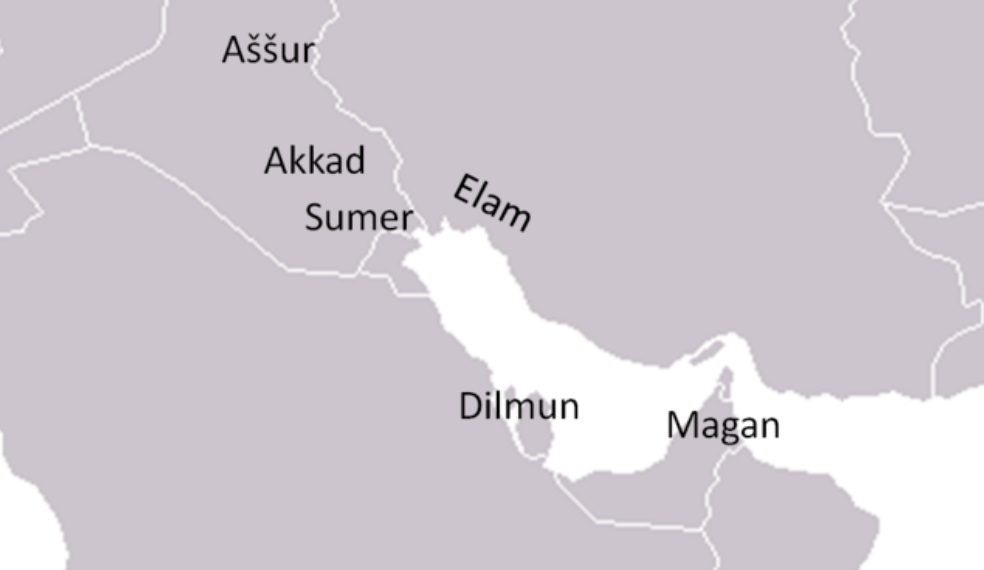
Magan is the area encompassing the UAE and Oman (possibly southern Iran). Magan was a source of copper, timber and diorite. Magan's strategic significance is bourne out by the fact that Sargon's predecessors built a f...
By the late 6th millennium, dates were being traded at Dalma indicating early maritime trade networks

The extent of Dilmun is unknown, but it has been accepted that texts referring to Dilmun refer to a central city in modern-day Bahrain. However, it is possible that Dilmun had outposts across the Gulf, in Qatar and as...

Archaeological evidence of reed ship building dating back to about 5000 BCE has been found at al-Sabiyah (Abulafia 2019 p.54)

Falaika traded with Dilmun (Qatar), then later Bahrain Island (Alpers, 2014 p.22), and was the port from which Ubaid pottery was exported into into the Gulf. Sumerian traders exported grain, pottery and bitumen and im...

From the Epic of Gilgamesh: Preceding a flood sent by the gods, Utnapishtim was instructed to build an "ark" to take a sample of every living thing. The hull is waterproofed with oil, pitch and asphalt and the ship wa...
Figure 1: Seal Impression Figure 2: Seal Impression Persian Period 559-331 BCE Figure 1: War galley with a curved bilge terminating as a ram spur at the prow. The stern of the vessel is upcurved ending in a head of an...
Alternative Names: Warka, Warkah Figure 1: Model Boat with Wheels Figure 2: Clay Model Boat Neo-Babylonian Period 612-539 BCE Figure 1: "The boat model has an upturned prow and stern and is divided into five parts by...
Figure 1: Limestone Stamp Seal Figure 2: Onyx Stamp Seal Figure 3: Boat Model Figure 4: Clay Boat Model Figure 5: Partial Clay Boat Model Figure 6: Boat Model with Animal Figure 7: Clay Boat Model Figure 8: Clay and G...
Alternative name: Zincirli Höyük, Samʼal, Yaʼdiya Figure 1: Stone Plaque Figure 2: Greyish-green Serpentine Plaque Figure 3: Clay Model Boat 7th Century BCE Figure 1: "According to the catalogue description the obvers...
Figure 1: Partial Relief of War Galley 9th Century BCE Figur 1: Narrow fragment shows the part of a war galley with ram. The ship is painted red upon a yellow tinged background. The shape is partially preserved. There...

Figure 1: Complete Stone Relief Figure 2: Dark-green Basalt Relief Tiglath-Pileser III Period 8th Century. Figure 1: The relief depicts a galley characterized by a prow with a ram that ends abruptly and a high upturne...
Figure 1: Limestone Relief First half of the 9th century BCE Figure 1: "The flat-bottomed boat has high sides and vertical ends that are flattened at the top. The method of propulsion is unique. The helmsman stands o...
Figure 1: Neo-Assyrian Stone Plaque Neo-Assyrian Period 912 to 612 BCE Figure 1: "A flat elongated boat with five paired lines (lashings), and animal headed ends of a lion and a bull carries a beautiful horse. Upon t...

Figure 1: Bronze Plaque Figure 2: Bronze Plaque Neo-Assyrian Period 912 and 612 BCE Figure 1: Divided into four registers. In the middle of the lowest shows a depiction of an elegantly curved boat with animal headed p...
Figure 1 Figure 2 Figure 3 Figure 4 Figure 5 Figure 6 Figure 7 Figure 8 Figure 9 Figure 10 Figure 11 Figure 12 Figure 13 Figure 14 Figure 15 Figure 16 Figure 17 Figure 18 Figure 19 Figure 20 Figure 21 Figure 22 Figure...
Figure 1: Fragment of relief depicting men pulling a boat Figure 2: Fragment of relief depicting a boat Figure 3: Mostly complete stone relief 8th Century BCE Figure 1: "The fragment shows the forepart of a heavily lo...
Figure 1: Relief depicting campaign to Chaldea in 851 BCE Figure 2: Relief depicting campaign to South Babylonia in 851 BCE Figure 3: Relief depicting campaign to North Sysra in 858 BCE Figure 4: Relief depicting camp...
Figure 1: Relief showing swimmers Figure 2: Partial relief showing swimmers Figure 3: Relief showingboat transporting wagon/chariot Figure 4: Relief showing boat transporting wagon/chariot Figure 5: Relief showing mar...
Hematite Seal Imprint 18th Century BCE The flat bottomed boats float on waves. Two bearded heroes end the wave relief. Each hero touches the prow or stern of the boat. "with the other hand each hero touches the hull o...
Seal Imprint Karum Ib period "An enthroned figure with staff (?) in its right hands faces a servant who holds a jar. Below is a crude rendering of a round bottomed boat, in the sky a disc in a crescent." (de Graeve 19...
Seal Old Assyrian period ca. 2000–1600 BCE A boat with curving stems and a stern carrying a deity with a horned crown. Four figures approach the deity in robes and the third man wears a tall "headgear". "In the sky a...

Figure 1: Steatite Stamp Seal Figure 2: Grey Steatite Stamp Seal Approximately 2000BCE (according to de Graeve 1981) Figure 1: Circular seal with engraved boat that is angular and what is thought to be a horned gazzel...

Figure 1: Partial Clay Boat Model Figure 2: Clay Boat Model fragment Alternative site names: Nerebtum, Kiti, Sadlas Site Occupied from the Akkadian to Old Babylonian Periods Figure 1: "Prow or stern of a detailed mode...
Figure 1: Clay Boat Model Figure 2: Clay Boat Model Fragment (bow) Alternative site name: Sippar-Mmnanum Old Babylonian Period 1894 - 1595 BCE Figure 1: Model is missing one end. Flat bottomed model, finger prints are...

Ceramic Pot a Tabac Larsa Period 1999 - 1799 BCE "Decoration: part of a boat with high vertical ends in which there are at least three standard posts; horned animal in the second preserved meteope" (de Graeve 1981: 26...
Figure 1: Ash-grey ceramic Pot a Tabac Figure 2: Black-grey ceramic Pot a Tabac fragment Alternative place name: Girsu Larsa Period 1999 - 1799 BCE Figure 1: "Decoration in four metopes: the boat with upturned and inc...
Figure 1: Blackened ceramic Pot a Tabac Figure 2: Blackened ceramic partial Pot a Tabac Figure 3: Black Stone Plaque Larsa Period 2025BCE-1763BCE Figure 1: Vase decorated with 4 metopes. A boat with an incurving end,...
Blackened ceramic Pot a Tabac Larsa period. Vase with four metopes including a boat with upturned and curved ends that carries "three tassled vertical poles" (de Graeve 1981: 25). Larsa period 1999 - 1799 BCE. Height...
Terracotta Plaque Ur III period The boat depicted in relief is "elegant and fairly low". The feet of the standing boatman are visible and he is punting the boat, "with a cleaved stick" (de Graeve 1981: 23). 3.5cm x 6c...
Figure 1. Terracotta Plaque Figure 2. Terracotta Plaque Ur III Figure 1: This 9.7 x 9cm terracotta relief depicts a canoe with two boatsmen. One boatsmen is holding on the the prow and the other is standing taking aim...