Research frame
Emerging or re-emerging pasts
The platform seeks out forgotten, erased, and marginalized narratives around places, objects, and collective memory.
About
Heritage Lab recognizes heritage as a powerful agent in how we understand the past and imagine the future. The platform exists to document, question, and celebrate narratives around objects, places, and collective memory that are often erased, neglected, or excluded.
Founding position
“Heritage is like the future. We do not know it completely.”
Robert Parthesius argues that Heritage Lab helps communities understand how heritage is created, used, and misused, while making room for people to curate and present their own perspectives.
The HeritageLab Manifesto
The live Heritage Lab site frames the manifesto as a commitment to future-oriented, participatory, and community-aware heritage work.
Research frame
The platform seeks out forgotten, erased, and marginalized narratives around places, objects, and collective memory.
Method
The work aims for more participatory, transparent, and community-aware engagement with past and present.
Learning
Heritage Lab is also a teaching environment that develops future heritage thinkers, curators, and professionals.
Approach
The project moves across heritage studies, media, storytelling, field research, archives, pedagogy, and public engagement.
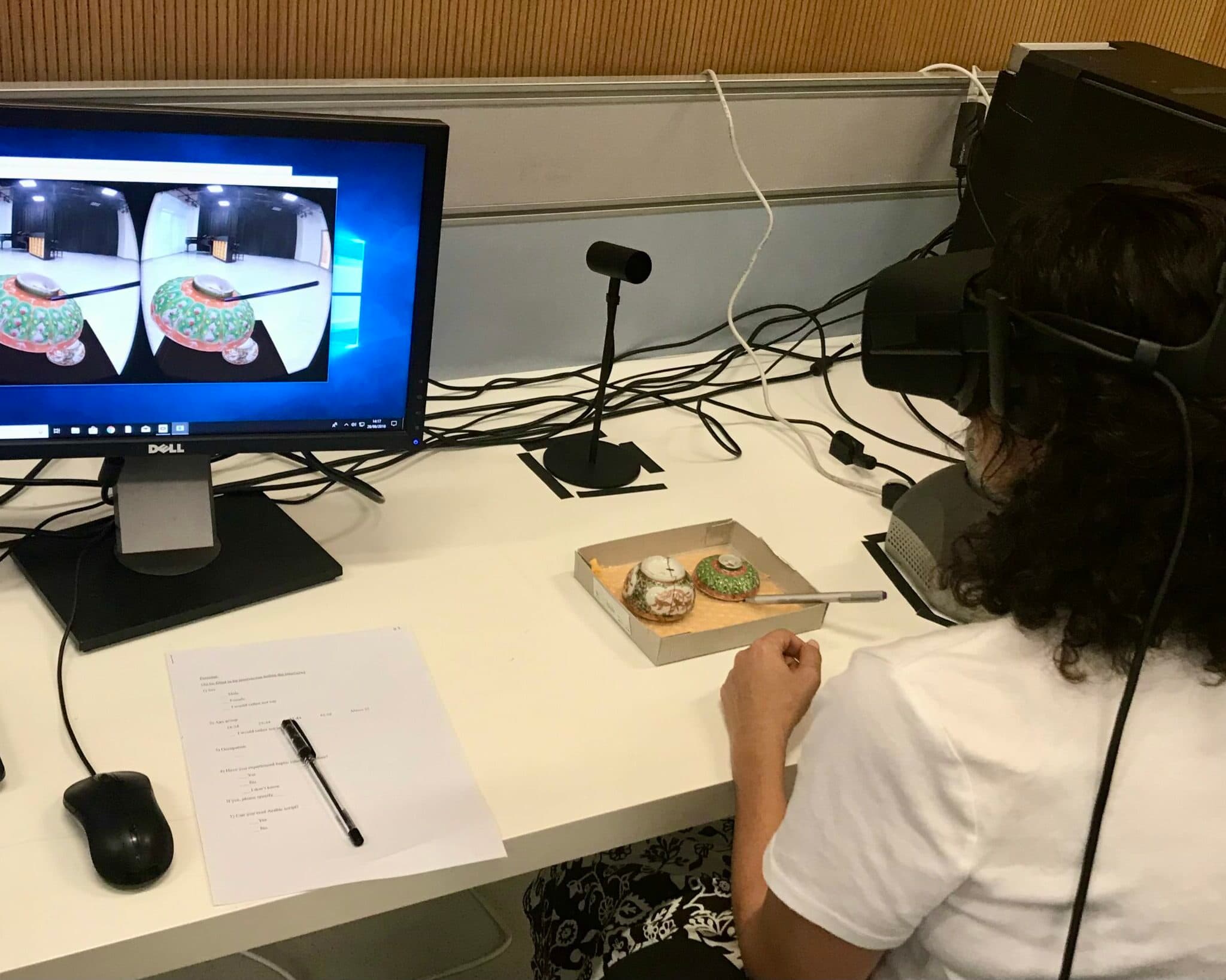
Heritage in practice
Heritage Lab gives attention to narratives that exist outside authorized heritage labels, formal monuments, and national institutions.
The project works across transnational, tribal, local, and national histories, recognizing that heritage moves through race, religion, economics, language, and migration.
It encourages students, collaborators, and researchers to think critically about future heritage and how it should be documented, governed, and shared.
Meet the Team
The legacy site surfaced named contributors through a dedicated team page. In the rebuild, that same collaborative structure is being consolidated into a clearer public research and editorial model.
Partners & Sponsors
That includes relationships visible elsewhere in the rebuild, such as Heritage Activities, Nisantasi University, NYU Abu Dhabi, and the Dhakira Center.
Why this rebuild matters
That means keeping the editorial shell, the lab network, the pedagogical frame, and the role-aware storytelling workflow all in one coherent system.